
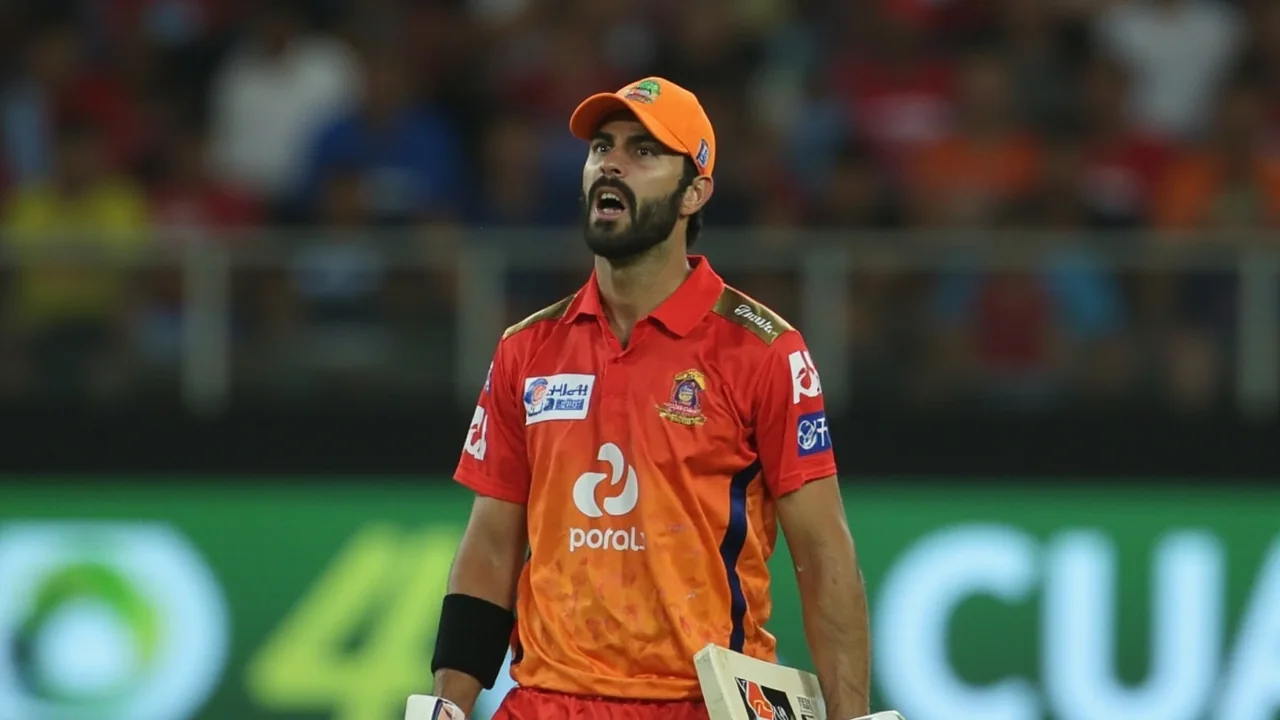
The venue frame before the squad frame
Ekana has hosted T20 cricket long enough to have a settled personality. Spinners tend to grip, totals sit in a narrow band, and contests typically reward the side that bowls in the middle overs rather than the side that swings hardest at the death. Sanjeev quoted competitive totals in the 165 to 175 range, which is the right number to anchor every fantasy decision around. That band tells you three things before you read a single name on the sheet.
First, the ceiling is not 220. Top-order batters still matter, but the credit-to-points ratio of a Marsh or a Pooran in a 175-versus-175 chase is healthier than the same pair in a 220-versus-220 shootout. Second, the middle-overs choke is real. Wrist-spinners and seamers who bowl straight rather than wide see consistent fantasy points regardless of whether the batters attack or consolidate. Third, the toss is a meaningful 5 percent edge, not a mood ring. Whoever uses the first innings smartly wins the credit race more often than not.
Weather on the night was forecast around 31°C with humidity near 28 percent and clear skies. Minimal rain risk meant no manufactured urgency, so a slow-burn contest with a late chase or a sub-170 defence was the realistic shape rather than a DLS scramble. That frame matters when the fantasy user is comparing two near-identical captain candidates. Whoever owns the middle-overs is the safer 2x call on this strip.
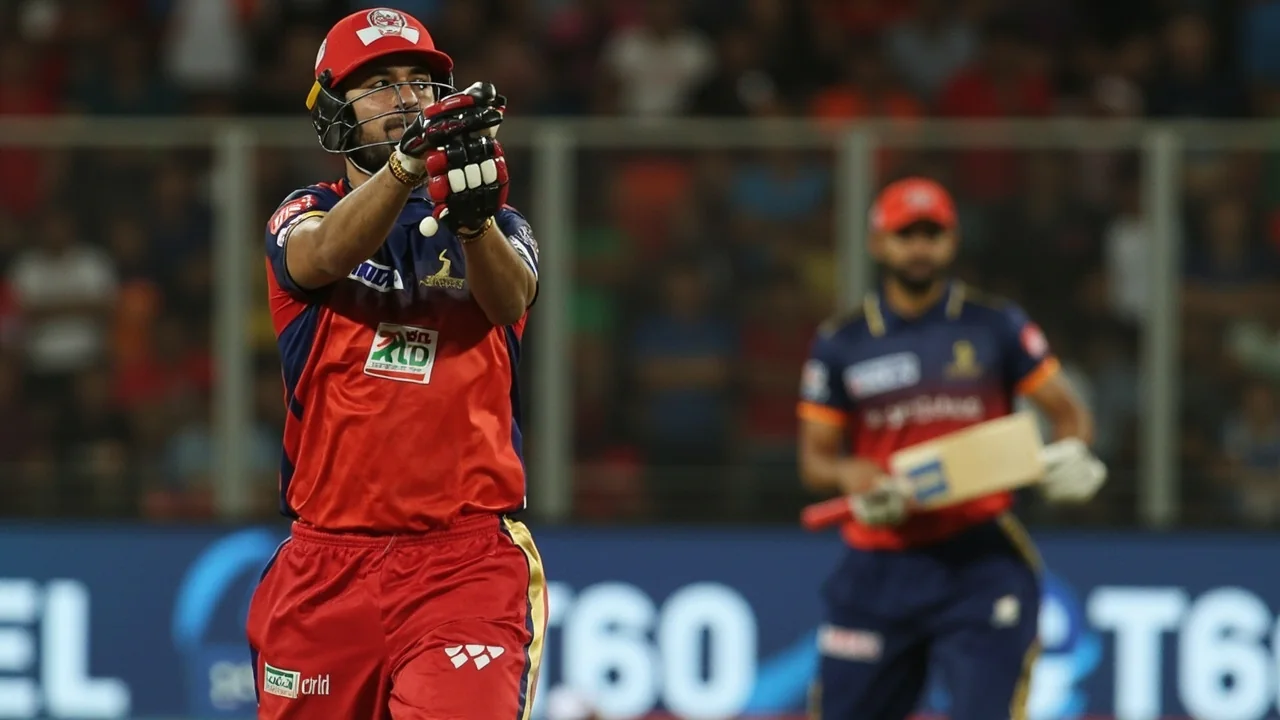
Predicted XIs as published before toss
Sanjeev's probable XI for Lucknow Super Giants opened with Mitchell Marsh and Aiden Markram, followed by Rishabh Pant as captain and wicketkeeper, Nicholas Pooran, Ayush Badoni, Abdul Samad, Shahbaz Ahmed, Mohammed Shami, Mayank Yadav, Anrich Nortje and Mohsin Khan. Digvesh Rathi was the listed impact player. For Delhi Capitals, KL Rahul kept the gloves, with Pathum Nissanka, Nitish Rana, Tristan Stubbs, captain Axar Patel, David Miller, Ashutosh Sharma, Kuldeep Yadav, Mukesh Kumar, T Natarajan and Lungi Ngidi completing the eleven. Abishek Porel was the impact option.
Read those sheets through a salary-cap lens and the cluster starts to speak. LSG looked like a pace-heavy top with three frontline quicks in Shami, Mayank Yadav and Nortje. DC leaned on Axar's all-round control plus Kuldeep's wrist-spin as their two highest-floor fantasy picks, with KL Rahul as the only true top-order batting lock on the visiting side. That asymmetry was the most useful single frame for the night.
Treat the XIs as a checklist for pre-toss work, not as gospel. Squads in week one shuffle one slot based on warm-up net reads and a final fitness clearance. The role question matters more than the name question: does DC carry two front-line spinners plus Axar, or do they replace one spinner with extra batting depth. LSG's biggest live choice was whether Digvesh Rathi or Shahbaz Ahmed would finish the four-over spinner slot.
The pace trio and the home-ground edge
Sanjeev's lean was a slight edge to Lucknow, built around two things rather than narrative. First, the pace trio of Shami, Mayank Yadav and Nortje is one of the more varied new-ball combinations in the league: classical swing, raw pace, and hard length. On a strip that has historically offered seamers early control, that combination pays credit back faster than reputation alone would suggest.
Second, the home ground. Five of LSG's likely eleven had recent experience of Ekana's variable bounce and slow outfield. Set against a Delhi batting order that included two or three players without T20 games at the venue in the current cycle, that familiarity is not a buzzword. It shows up in the way a Marsh or a Markram rotates strike in a 165 chase, and in the way Shami adjusts his lengths when the ball goes soft in the eleventh over.
For fantasy users the practical read is that the pace trio should be weighted above their salary suggests, with one proviso. Mayank Yadav at 6.5 credits is the kind of name that gets carried into every preview by reputation and then sits on the avoid list in many of them. If the confirmed XI shows him with a clear powerplay spell and not a death-overs cameo, the credit is worth paying. If he is only the third seamer in a rotation around Shami and Nortje, the value disappears.
Suggested Dream11 squad before the toss
| Role | Player | Captain / Vice-captain lean |
|---|---|---|
| Wicketkeeper | Rishabh Pant | — |
| Wicketkeeper | KL Rahul | Vice-captain lean |
| Wicketkeeper | Nicholas Pooran | — |
| Batter | Mitchell Marsh | Captain lean |
| Batter | Tristan Stubbs | — |
| Batter | Nitish Rana | — |
| All-rounder | Axar Patel | Vice-captain lean |
| All-rounder | Aiden Markram | — |
| Bowler | Mohammed Shami | — |
| Bowler | Kuldeep Yadav | — |
| Bowler | Mayank Yadav | — |
Three wicketkeepers is a strong signal that the pre-toss slate could not separate Pant, Rahul and Pooran cleanly. That is honest reporting. When a preview refuses to cut one of the three, the safest fantasy move is usually to pick the keeper with the clearest role and the weakest extra-duty competition, then spend the leftover credit on an extra batter or an extra seamer rather than locking all three.
Where the preview set the captain and vice-captain ranks
Sanjeev named Mitchell Marsh and Aiden Markram as the captain leans, with Axar Patel and KL Rahul as the vice-captain leans. Five players were singled out as the top fantasy picks: Marsh, Axar, KL Rahul, Pooran and Kuldeep Yadav. Read that list as ownership concentration rather than a verdict.
Marsh on a slow track with new-ball help is a different captain pick from Marsh on a flat Bangalore deck. Axar Patel in a middle-overs choke role is a different vice-captain pick from Axar Patel when the game breaks open at the death. Kuldeep as a specialist wrist-spinner on a gripping surface carries genuine points-per-credit value that a lot of previews underweight because he rarely takes the headlines. Those three role frames are the ones that carry forward into the rest of the IPL season whenever the venue profile matches.
Marsh and Markram
Both are ceiling picks on a strip where 165 is fighting total. Markram brings steady strike rotation, Marsh brings powerplay acceleration.
KL Rahul and Pooran
Both are keeper-batters who can score in different phases. Rahul anchors, Pooran accelerates late overs when the matchup is right.
Axar Patel
Middle-overs choke plus lower-order batting keeps Axar as the highest-floor all-round pick on most Ekana nights.
Kuldeep Yadav
Wrist-spin on a gripping strip is a points-per-credit bargain most previews leave off the lobby sheet.
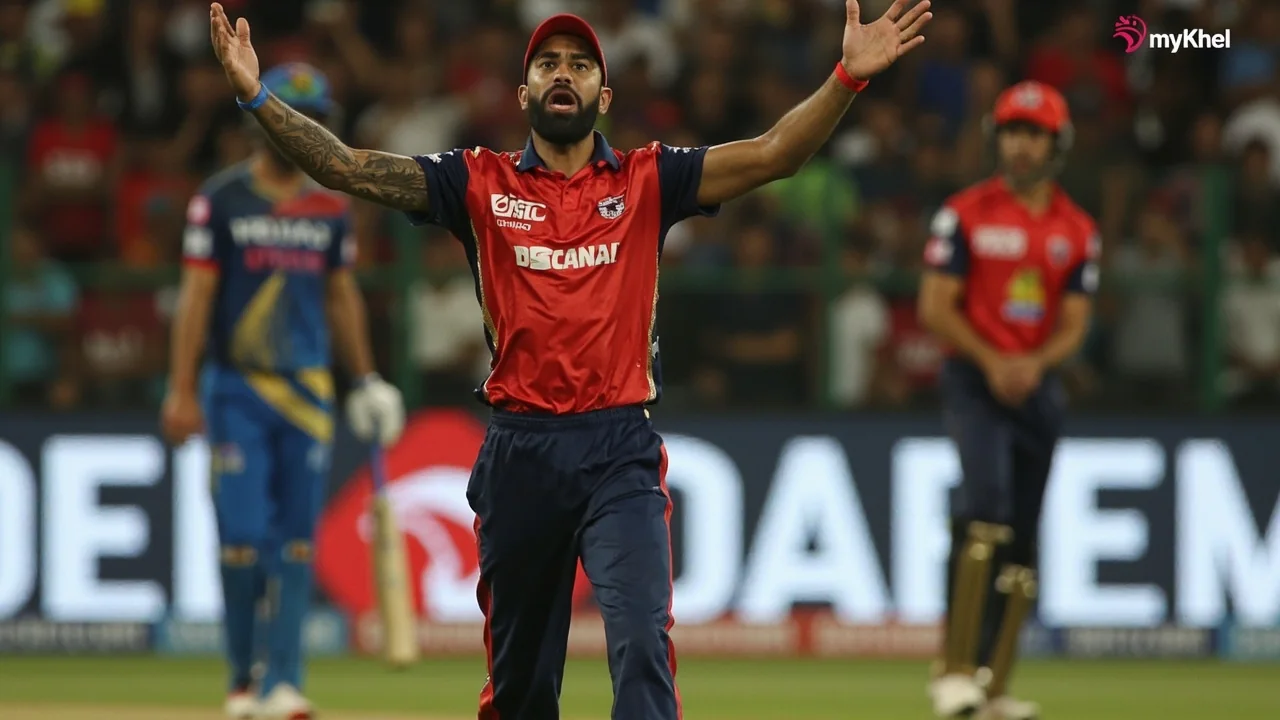
Head-to-head read without trusting the table
Sanjeev quoted a 7-match LSG vs DC ledger before this fixture: Delhi 4 wins, Lucknow 3, with Delhi having won the last four meetings. That streak means two things for fantasy users and one thing against them. The bias says the role stack tilts towards Rahul, Axar and Kuldeep for ownership comfort, and against LSG pace for differential thinking. The reality on the ground says streaks end at venues that have moved three seasons on, and Ekana in 2026 is not the same surface Delhi chased successfully on in 2023 and 2024.
A disciplined user reads the streak as the lobby's expectation, then chooses at least one counter to it. If the counter is the LSG pace trio, the credit math usually holds because the trio is priced for trust, not for boom. If the counter is Marsh or Markram at captain, the reasoning has to be honest about why those four DC wins may not extend to a fifth.
Pitch and weather reading, then build order
Once the preview frames are clear, build the squad in role order rather than country order. Wicketkeeper first, anchor all-rounder second, top-order ceiling third, spinner fourth, seamer fifth. That sequence forces the hardest decisions in the slots where credits matter most and leaves the looser flex slots for the differential swings.
- Wicketkeeper: Rahul if you want the safer anchor, Pant if you want the upside at risk of a lower floor, Pooran if you are playing a multi-entry and want a late-overs accelerator.
- Anchor all-rounder: Axar Patel is the simplest pick on this strip. Markram is the alternate if salary forces a second top-order batter.
- Top-order ceiling: Marsh at the top, Stubbs in the middle, Rana as the budget-floored left-hand option against the LSG pace.
- Spin control: Kuldeep is the primary wrist-spin path, Shahbaz or Rathi the secondary spinner if the LSG XI keeps two of them.
- Seam insurance: Shami is the credit anchor, Mayank Yadav the ceiling swing, and Nortje the death-overs closer on bats who look to clear the rope.
Match card at a glance
| Item | Detail |
|---|---|
| Series | IPL 2026 |
| Match | Match 5, Lucknow Super Giants vs Delhi Capitals |
| Venue | Bharat Ratna Shri Atal Bihari Vajpayee Ekana Cricket Stadium, Lucknow |
| Date & start | Wednesday, 1 April 2026, 7:30 PM IST |
| Pitch band | Slower surface, spinner-friendly, totals in the 165 to 175 range |
| Weather note | ~31°C, humidity around 28%, clear skies, minimal rain risk |
| Head-to-head | 7 matches, Delhi 4 wins, Lucknow 3, Delhi's four-match winning streak active |
| Preview source | myKhel, by Shreya Sanjeev, 1 April 2026, 18:16 IST |
| Predicted lean | Slight edge to Lucknow on pace trio plus home advantage |
What to carry into the next Ekana fixture
Three role notes transfer cleanly from this preview to any future match at the venue. Spinners who bowl straight into the pitch rather than tossing it up are the safer captain vice-captain pivots on slow tracks. Pace units with three clear roles — swing, raw pace, hard length — pay credit back faster than reputation suggests when the strip has early seam. Wicketkeeper-batters who bowl first and chase second produce different fantasy shapes than keepers who bat first; the order matters more than the name.
For users building beyond a single fixture, the broader captain framework on Fantasy Cricket walks through ownership math and venue weighting using similar previews as evidence rather than verdicts. The Match 5 piece is a useful reference for venue reads and role clusters in the early IPL window, not a script to copy into every LSG fixture afterwards.
Pre-toss discipline worth keeping
Sanjeev published the preview before the toss. That detail alone changes how the entire piece should be read. Once the coin lands, two swaps usually pay: bowling-first seamers get a one-slot upgrade, and a chasing finisher gets a one-slot upgrade if dew or surface reads tilt true. Resist the urge to rebuild the entire XI after the captain's toss quote. The preview already handled the venue read and the role clusters; only the toss-driven sequencing should move.
If the confirmed XIs swap one spinner for an extra batter, free up four to six credits and re-evaluate the flex battle from scratch rather than chasing the same differential. If the toss goes Delhi's way and Rahul calls bat first, the middle-overs choke does the work and the captain pick tilts towards Axar or Pant for the chase rather than Marsh for a new-ball run. If the toss goes Lucknow's way and Pant calls bowl first, the LSG pace trio becomes the spine of the squad and Marsh holds captain for the chase ceiling.
Watch next: another Ekana fixture and a venue-fit ledger
The next fantasy checkpoint after Match 5 is the LSG home schedule itself. Ekana hosts multiple fixtures across the IPL 2026 window, and the preview's venue personality is a stable reference for every one of them: 165-175 is the fighting band, spin plus middle-overs control does the work, and the toss decides the captain question last. Track three role notes after this fixture finishes — which LSG seamer took the new ball, which DC batter sat in the middle-overs choke and survived, and how the captain's call actually played out — before you rebuild the differential read.
Those three notes, added to the role clusters in this preview, give a fantasy user the most honest bridge between a published preview and a future Ekana lock. Carry them forward, weigh them against the next squad sheet, and let the role patterns rather than the names do the work.