
The fixture that actually matters for tonight's lock
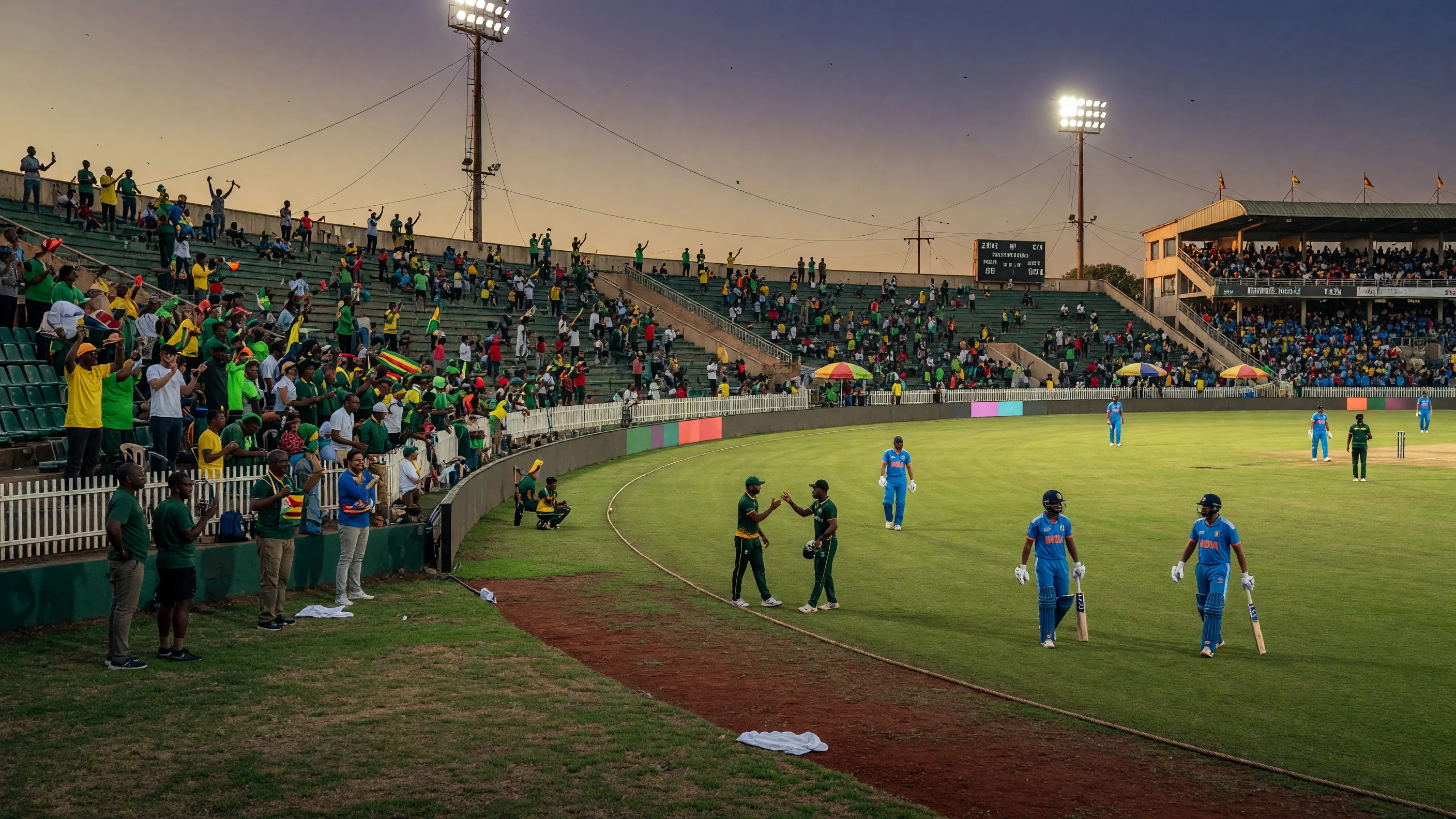
Zimbabwe host India in the opening T20I of the India Tour of Zimbabwe 2026 at Harare Sports Club. Series length is three matches. The listed start is 4:30 PM IST on 23 July 2026, with live coverage on FanCode. Toss information was still pending when the main preview notes were published, so any pre-toss captain lock should stay flexible until the coin and confirmed XIs land.
That practical frame matters more than narrative. India arrive after a 4-0 T20I series loss in England. In the fifth match at Edgbaston, England posted 257 for 3 and India finished 201 for 8, losing by 56 runs. Ishan Kishan made 56 off 35 and Tilak Varma 53 off 25 in that chase. Those two innings are useful form clues, not automatic captain locks on a different continent against a different attack.
Zimbabwe come in after a 2-1 home T20I series defeat to Bangladesh. The result was tight rather than one-sided, which is the more useful fantasy signal: home batters and seamers still produced usable scores and wickets in recent games, so pure India stacking is not a free ride even if the bilateral record leans one way.
Start with Harare, not the squad sheet
Harare Sports Club's T20 record is the cleanest place to begin. Across 83 completed T20s at the ground in the cited sample, the side batting first won 45, the chasing side won 36, and two matches produced no result. The chasing win rate sits at 44.44 percent. That is not a death sentence for second-innings teams, but it is a mild first-innings lean that should shape how you weight openers who face the new ball and seamers who bowl with it.
Weather notes for the window point to sunny conditions around 23°C with a balanced surface that can help pacers early before batting becomes freer. Average first-innings score is listed near 155, with 155–160 treated as a competitive band. Translate that into contest language: middle-overs choke value still exists, death hitting is not a guaranteed six-hitting carnival, and a bowler who takes the new ball or owns a middle-overs bag can keep pace with a top-order batter who merely survives without accelerating.
If the toss goes India's way and they bowl first, India quicks who open or take the first change sit higher than they would on a pure batting deck. If Zimbabwe bat first on a used strip late in a series, the same logic can flip toward spin and middle-order finishers. For the opener of a tour, treat the venue band as primary and the toss as the last five-minute adjustment.
How India look after England — without overreacting
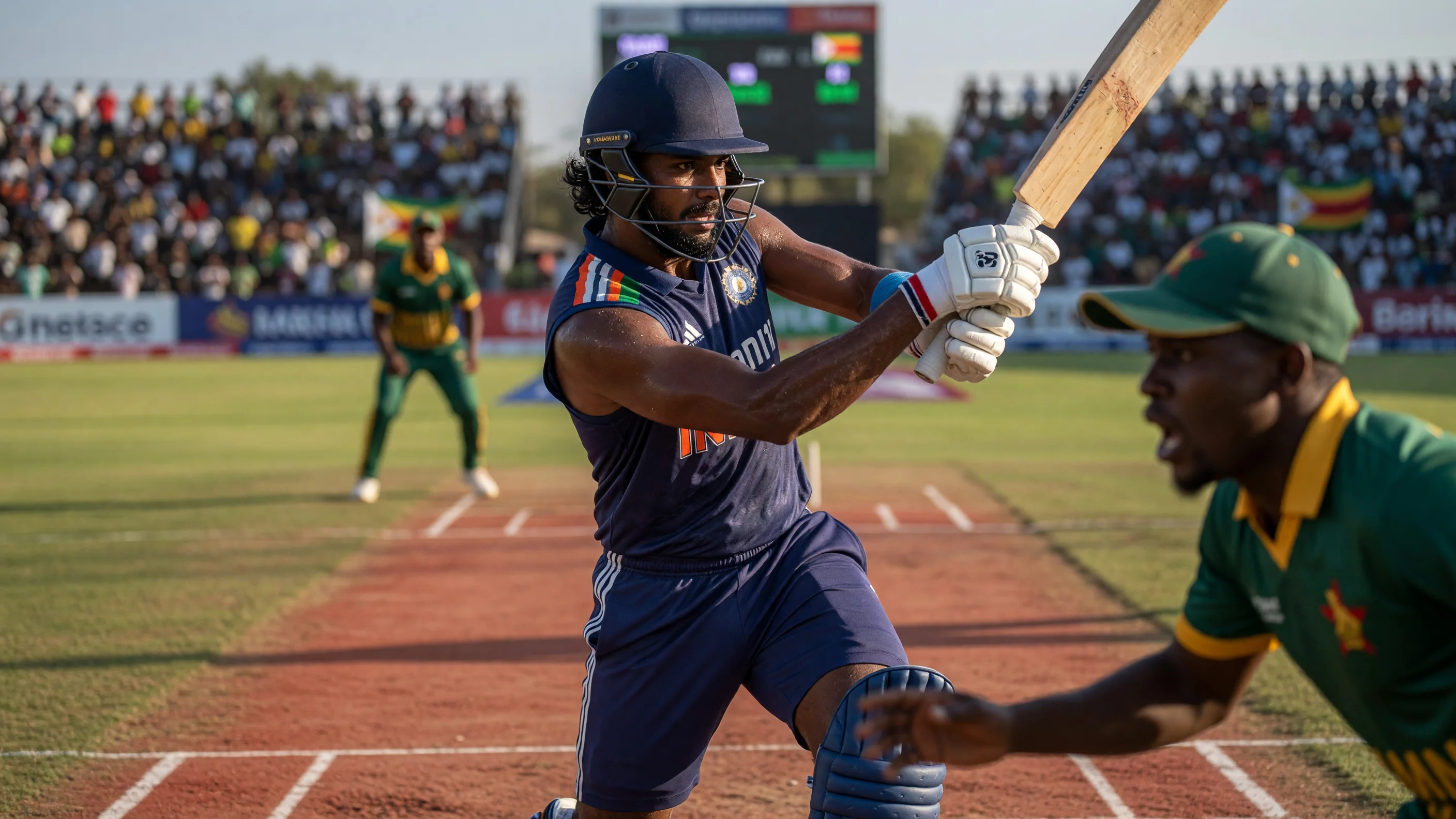
The England tour left two clear fantasy footprints. First, India's batting was inconsistent enough that even strong individual knocks did not salvage the series. Second, Kishan and Tilak showed they can still manufacture strike-rate in a chase under scoreboard pressure. In Harare that means both remain core rather than luxury, especially if India bat second and need a stabiliser who can still clear the infield.
Preview lists place Vaibhav Suryavanshi and Abhishek Sharma at the top of India's order, with Ishan Kishan keeping, Shreyas Iyer captaining, then Tilak Varma and Shivam Dube through the middle. The bowling and spin blend in the same sheet runs Harsh Dubey, Ravi Bishnoi, Ashok Sharma, Mayank Yadav and Prince Yadav. Treat that as a probable, not a confirmed XI — tour openers often shuffle one seam or spin slot after the warm-up nets and final fitness checks.
For salary construction the interesting India cluster is the top three plus one of Tilak or Dube, not a seven-India stack by default. Suryavanshi is being pushed as a top run-scoring fantasy lean alongside Zimbabwe captain Sikandar Raza. Abhishek Sharma sits among the captain options in the same preview set. Iyer is listed among vice-captain choices. That distribution already tells you where ownership will concentrate: young left-hand power at the top, all-round control from Raza, and a safe India captain name for users who dislike differentials.
India top order
Suryavanshi and Abhishek carry ceiling if the new ball does not move for long. Kishan adds wicketkeeper points on top of middle-order or top-order runs.
India middle
Tilak's recent strike and Dube's dual role keep both in the first cut. Harsh Dubey is the spin all-rounder path if the surface grips after the powerplay.
India bowling
Bishnoi is the named leading-wicket lean from the India side. Pace names are more toss- and role-sensitive than the headline batters.
Credits caution
Mayank Yadav and Yash Thakur are both flagged at 6.5 credits as names many previews want users to skip for this opener.
Zimbabwe's home edge is real even after a series loss
Zimbabwe's probable sheet opens with Tadiwanashe Marumani and Brian Bennett, then Dion Myers, Sikandar Raza (captain), Ryan Burl, Milton Shumba, Clive Madande (wicketkeeper), Tashinga Musekiwa, Brad Evans, Richard Ngarava and Blessing Muzarabani. The spine is familiar for anyone who builds against Zimbabwe at home: Raza as the fantasy magnet, Myers as a recent form batter, Ngarava and Muzarabani as the seam pair that can matter while the ball is hard.
Ngarava is named among the leading wicket leans for the fixture, with Muzarabani as the paired home seamer while the ball is hard. Myers stays in the first home batting cut as a middle-order option who can still move if India's new ball does not dominate. Those roles matter more than any single bilateral headline from past tours.
Raza remains the cleanest Zimbabwe lock for most formats of contest. He bowls, he bats in the decisive overs, and captaining at home usually means he stays in the game long enough to touch multiple scoring categories. Burl is the left-field all-round path if you need a second Zimbabwe flex without paying full Raza freight. Bennett is the top-order home batter many small-field lineups will underweight if they default to five or six Indians.
Captain and vice-captain without copying the lobby sheet
Published captain leans name Abhishek Sharma and Sikandar Raza. Vice-captain leans name Shreyas Iyer and Vaibhav Suryavanshi. That is a useful map of where the crowd will sit, not a mandate.
A disciplined reading for small fields is simple: captain the player with the highest combination of minutes in the game and multi-category access. Raza wins that test on most Harare nights against any visiting side that does not blow the match away in six overs. Abhishek wins it if you believe India's powerplay will dominate and you need pure ceiling in a mega contest.
Vice-captain is where structure matters. Pairing Raza (C) with Suryavanshi (VC) splits country exposure and role. Pairing Abhishek (C) with Iyer (VC) keeps you inside India but stacks correlated top- and middle-order outcomes if the chase collapses. Pairing Abhishek (C) with Raza (VC) is the balanced split many multi-entry users will run in at least one lineup. Avoid locking both C and VC into pure pace bowlers before the toss on a ground where 155 is still a fighting total.
If you want a wider method for 2x and 1.5x decisions across the season, the longer captain framework under Fantasy Cricket walks through ownership math and venue weighting without tying you to a single bilateral series.
Build order: five locks, then the flex battle
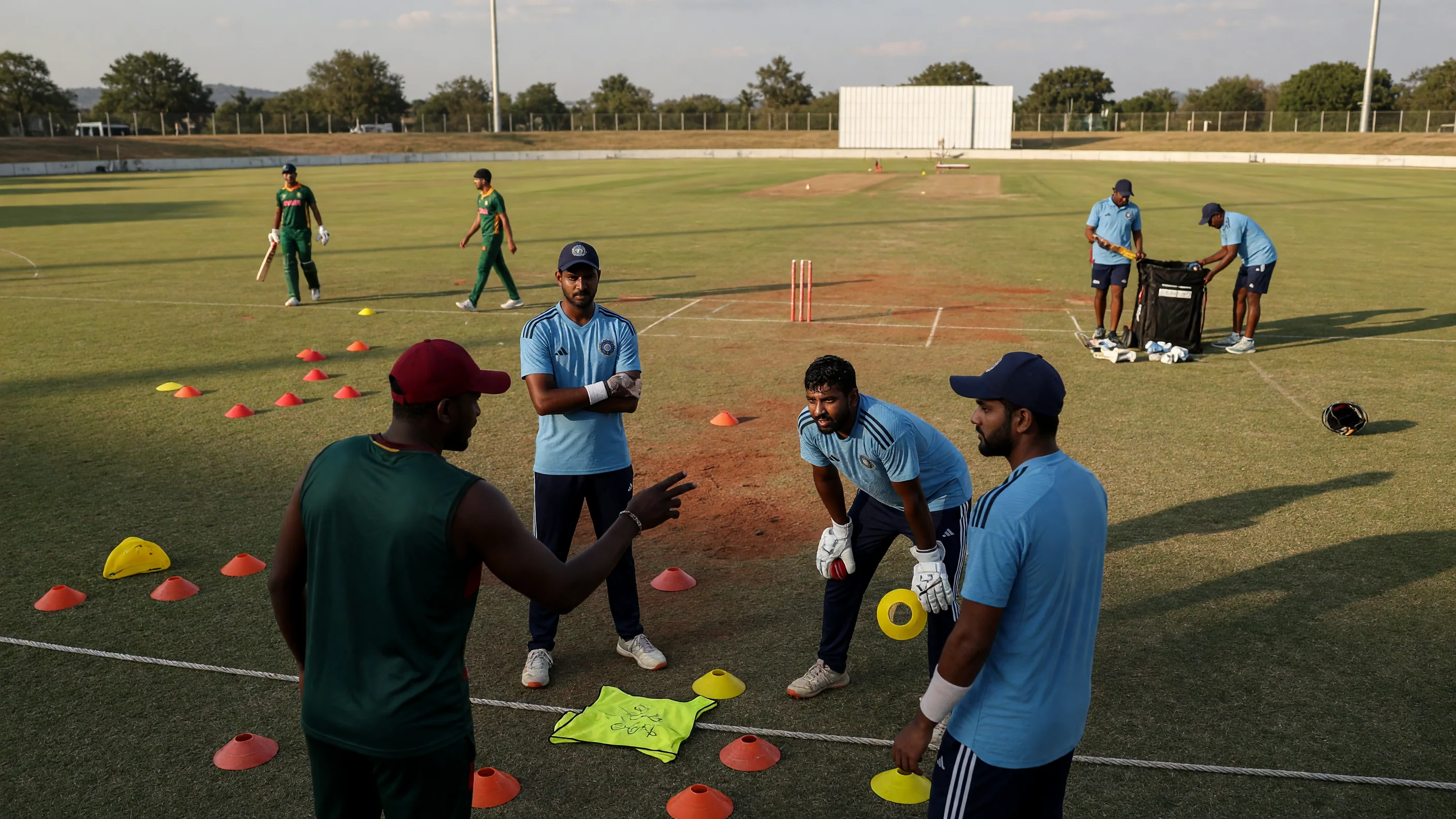
A clean way to assemble the first draft is role-first rather than country-first.
1. Wicketkeeper. Ishan Kishan is the default India gloveman in the probable XI and brings recent chase evidence. Madande is only a pivot if you are forcing a heavy Zimbabwe stack for a small league.
2. Anchor all-rounder. Raza first. Dube second if you need India balance and bowling overs. Burl third if salary is tight and you already paid for two expensive India batters.
3. Top-order ceiling. Choose two from Suryavanshi, Abhishek and Bennett. Most India-leaning sides will take the first two and use Bennett only when they cut a bowler.
4. Spin control. Bishnoi is the named India wicket lean. Dubey is the overs-plus-lower-order path. Do not start both plus Raza's part-time spin unless the pitch report after the toss screams grip.
5. Seam insurance. Ngarava is the Zimbabwe wicket lean. Muzarabani is the length-and-bounce alternative. India's Mayank Yadav sits on the avoid list at 6.5 credits in the same preview set as Yash Thakur, so do not spend a flex slot on pace reputation alone without confirmed new-ball overs.
Once those five decisions are made, the remaining credits usually fight between Tilak, Iyer, Evans and Prince Yadav. Tilak is the higher-floor batter if India bat deep. Iyer is the safer vice-captain brand name. Evans is the home bowling all-rounder for users chasing a second Zimbabwe arm. Prince Yadav is only live if the final XI confirms a clear four-over role.
Match card at a glance
| Item | Detail |
|---|---|
| Series | India Tour of Zimbabwe 2026 (three T20Is) |
| Match | Zimbabwe vs India, 1st T20I |
| Venue | Harare Sports Club, Harare |
| Start | 4:30 PM IST, 23 July 2026 |
| Streaming | FanCode |
| Pitch band | Balanced; pacers early; ~155 average first innings |
| Weather note | Sunny, about 23°C |
| H2H T20Is | India 11 wins, Zimbabwe 3 from 14 meetings |
| Last meeting | ICC Men's T20 World Cup 2026 Super Eight — India won by 72 runs |
Probable XIs — use as a checklist, not scripture
| Zimbabwe (probable) | India (probable) |
|---|---|
| Tadiwanashe Marumani | Vaibhav Suryavanshi |
| Brian Bennett | Abhishek Sharma |
| Dion Myers | Ishan Kishan (wk) |
| Sikandar Raza (c) | Shreyas Iyer (c) |
| Ryan Burl | Tilak Varma |
| Milton Shumba | Shivam Dube |
| Clive Madande (wk) | Harsh Dubey |
| Tashinga Musekiwa | Ravi Bishnoi |
| Brad Evans | Ashok Sharma |
| Richard Ngarava | Mayank Yadav |
| Blessing Muzarabani | Prince Yadav |
Two quick checks after the official sheets drop: whether India retain two pure pacers plus Bishnoi, and whether Zimbabwe keep both Ngarava and Muzarabani when the surface looks dry. A single change in either seam pair can free four to six credits and change the flex battle completely.
Who the market will overrate — and underrate
Overrate risk sits with any India seamer selected on reputation after the England tour without a confirmed powerplay spell. Mayank Yadav at 6.5 credits is the explicit avoid in the same reporting that also parks Yash Thakur at 6.5. Low credit does not equal value when overs and matchup are unclear.
Underrate risk sits with Myers and Ngarava for users who only read the head-to-head table. India lead the T20I ledger 11–3 and beat Zimbabwe by 72 runs when the sides last met in the ICC Men's T20 World Cup 2026 Super Eight, but bilateral history does not erase home form from the Bangladesh series window. A single Zimbabwe batting stand or early new-ball burst is enough to separate two otherwise identical India-heavy lineups.
Top run-scoring leans in the preview set were Suryavanshi and Raza. Leading wicket leans were Bishnoi and Ngarava. Those four names form a solid spine for a cash-game core. Everything else is contest-type dependent: differentials for megas, correlation for small leagues, and one deliberate Zimbabwe batter if your lobby is 80 percent India stacked.
Pre-toss checklist for Cricketers users
Thirty minutes before the toss, write four lines and nothing else: confirmed openers for both sides, which two seamers take the new ball, whether Dube or Dubey is in for a bowling role, and the weather/wind note from the on-ground feed. Then set captain last.
Fifteen minutes before lock, compare your C/VC pair against projected ownership. If both of your multipliers are also the two most owned names in the lobby, keep one lineup like that for floor and build a second with Raza or Suryavanshi moved across the C/VC line. Do not rebuild the entire XI in the final minute unless a confirmed injury forces it.
After the toss, only two swaps usually pay: bowling-first seamers elevated one slot, and a chasing finisher elevated if dew is mentioned and the surface looks true. Resist the urge to flip every India batter because the captain said "we fancy the chase" — Harare's first-innings win count still exists for a reason.
Watch next: toss boards, then the second T20I role sheet
Lock windows for the 1st T20I still hinge on two items that were pending in the preview window: the coin and the final XIs. When those drop on 23 July 2026 ahead of the 4:30 PM IST start at Harare Sports Club, check four lines only — India's confirmed openers, which two seamers take the new ball for each side, whether Dube or Dubey holds a bowling role, and whether Zimbabwe keep both Ngarava and Muzarabani. Those four answers decide whether your pre-built Raza / Abhishek / Suryavanshi core still holds or needs a single flex swap.
The next series checkpoint is the second T20I of the same three-match India Tour of Zimbabwe 2026 set. After game one, track three role changes before you rebuild: who actually bowled the 17th–20th overs for Zimbabwe, whether Bishnoi kept a full middle-overs bag or was trimmed after the first look at the surface, and whether India's top three retained the same order after the Harare opener. Note those on the night of the first match; they are the only inputs that should force a structural rewrite for game two, not a recap of who simply scored once on a fresh pitch.