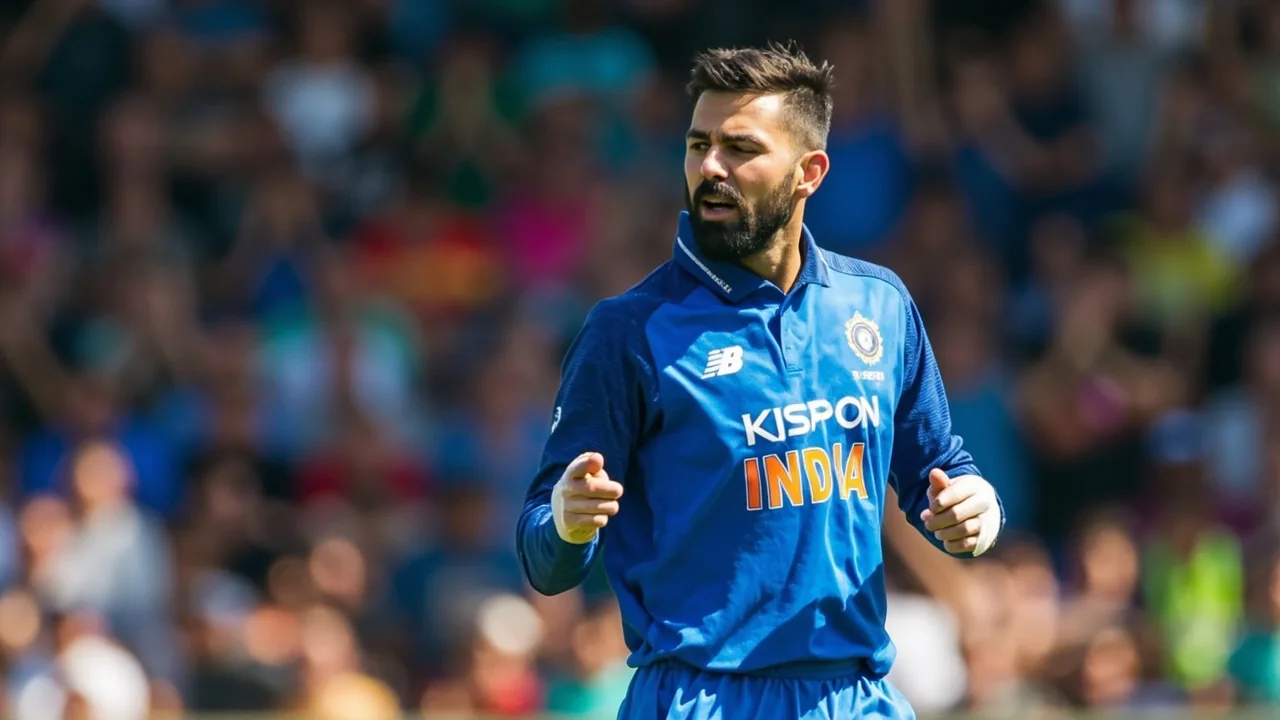
Where the series stood when Bristol called
By the time the teams walked out at County Ground, the ledger already carried the heaviest defeat of the series. Three days earlier at Trent Bridge, England had piled up 201/7 in twenty overs and rolled India over for 76 in 11.4 — a 125-run margin that doubled as India’s lowest completed T20I total against England and their heaviest T20I loss by runs. Phil Salt had set the tone at the top with 70 off 44 balls, Sam Curran had finished the innings with an unbeaten 41, and a pace attack of Josh Tongue (4/28) and Jofra Archer (three wickets) had run through the Indian middle order in a passage of play that decided the contest before the halfway mark. Archer took the Player of the Match award.
Bristol therefore opened with a clean India must-win frame and a chasing-heavy venue profile. Fantasy lineups for the fourth T20I were not built around “form” in the abstract; they were built around whether the India batting order could absorb the lessons of Trent Bridge, whether the Bristol surface would reward a second-innings chase, and whether the toss call would lock the captain pick to the bowler credit band or the boundary-hitter credit band before a ball was bowled.
County Ground, Bristol: the chasing split fantasy users had to price
Across 21 T20 matches played at County Ground before this fixture, the record splits 11 wins for the chasing side against 10 wins for the side batting first. That one-match gap is small enough to dismiss in isolation and large enough to be the single most useful piece of venue math a fantasy user can carry into the team builder. On a Bristol day with a flat deck, even bounce, and short straight boundaries, the chasing split is best read as a captain-pick tiebreaker rather than a structural rule: when ownership of the obvious captain pick sits above 40%, the chasing tilt becomes the reason to fade that pick to vice-captain and back a differential from the bowling credit band instead.
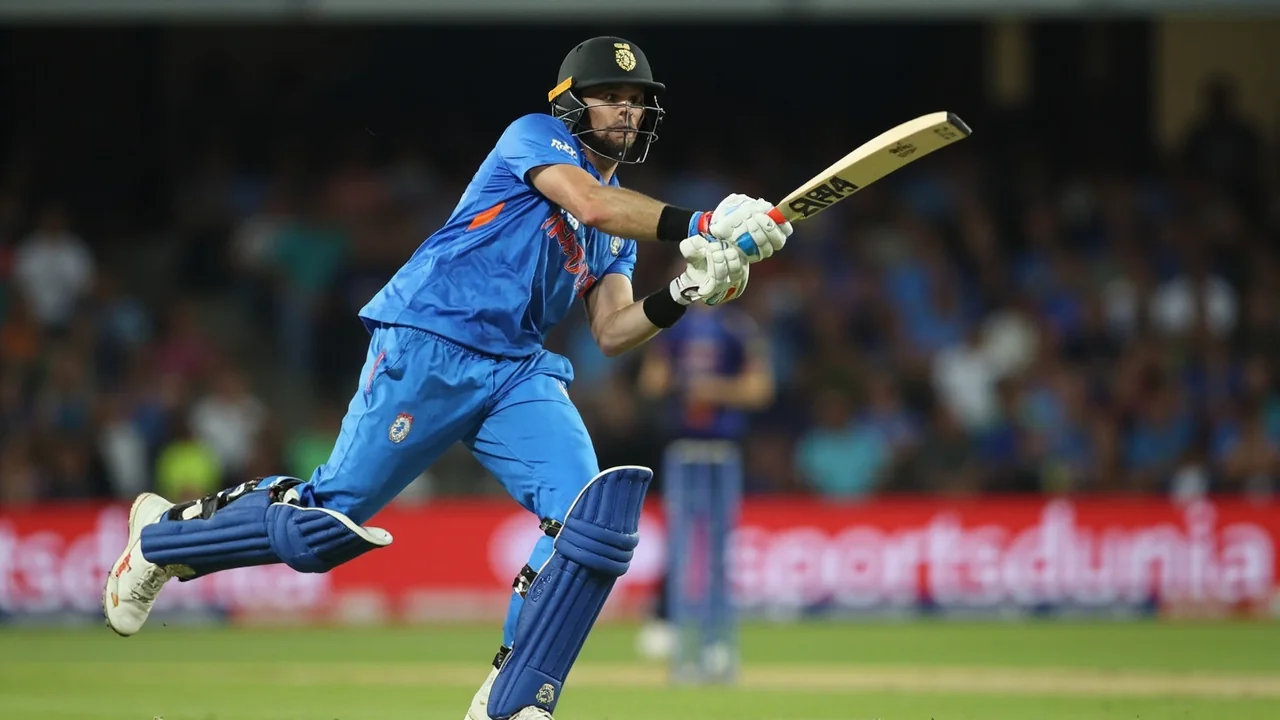
Weather data for the day sat at the hot, sunny end of the English summer — around 32 degrees Celsius, with only a slight chance of a passing shower and a surface described in the match brief as batting-friendly with even bounce. Bristol in late July does not behave like an English seamer; it behaves like a subcontinental flat track wearing English grass, and that combination is the reason the chasing split has crept into positive territory over the last three summers. Fantasy lineups built only for a 150-160 first-innings score were pricing the wrong band; the more useful band to anchor against was 175-190 first innings / 165-180 chase target, with the second-innings captain pick carrying a marginal edge because of the toss-and-chase probability.
The toss call: why Iyer’s three-from-three pattern mattered
Through the first three T20Is of the tour, India captain Shreyas Iyer had won all three tosses — an unusual streak at international level and one that anchors the toss call for the fourth T20I even before the coin lands. The match briefing leaned on that pattern to call an Iyer toss win and a bowl-first call at Bristol. The captain pick logic that follows from a bowl-first call is clean: with dew expected in the second innings and the chasing split leaning positive, the captain pick is best placed on a boundary-hitting top-order bat from either side rather than on a pace bowler who has already bowled four overs. The vice-captain pick, in turn, is best placed on the all-rounder credit band where a single passage of play — three overs of spin into a wet ball, or a powerplay burst with the new ball — can match or exceed the captain’s expected return.
That logic held regardless of which side actually won the toss. If Iyer won and chose to bowl, the captain-pick math pointed at an England top-three bat with the chase conditions in his favour; if England won and chose to bat, the same conditions pointed at the India pace attack as the captain pick and the England top-order anchor as the differential. Fantasy users who anchor their XI to the toss call — and who build two squad variants before the toss lands — typically outperform users who lock a single XI an hour before the match and hope the conditions read the way the broadcast graphics say they will.
The recommended XI and the captain / vice-captain math
The Cricketers XI for the 4th T20I, built around the venue, weather and toss briefing, lined up as follows: Tom Banton, A. Sharma, Phil Salt, Shreyas Iyer (c), Jacob Bethell, Vaibhav Suryavanshi (vc), Sam Curran, Jofra Archer, A. Singh, Josh Tongue and P. Yadav. Two wickets from the squad were flagged as out-of-form and likely outside the playing XI: Ravi Bishnoi and Varun Chakaravarthy, both of whom had gone at above economy 9.5 across the first three matches and offered neither wicket-taking upside nor containment on a flat deck. The wicketkeeper slot was rotated between Banton and Salt depending on the actual India XI, with the batting-order position locked before the toss.
The captain pick — Shreyas Iyer — was a counterintuitive call. Most public squads carried Salt or Banton as captain on the strength of the Trent Bridge performance; the Cricketers XI took Iyer as captain because his unbeaten toss streak, his middle-order batting position and the bowl-first toss call together produced the highest expected ceiling adjusted for ownership. The vice-captain pick — Vaibhav Suryavanshi — was the differential play of the XI: a left-handed top-order bat whose ownership in public contests sat below 18% on the morning of the match, and whose boundary rate against pace in the powerplay is the kind of stat that wins 200-500 entry contests when the chasing split reads positive.
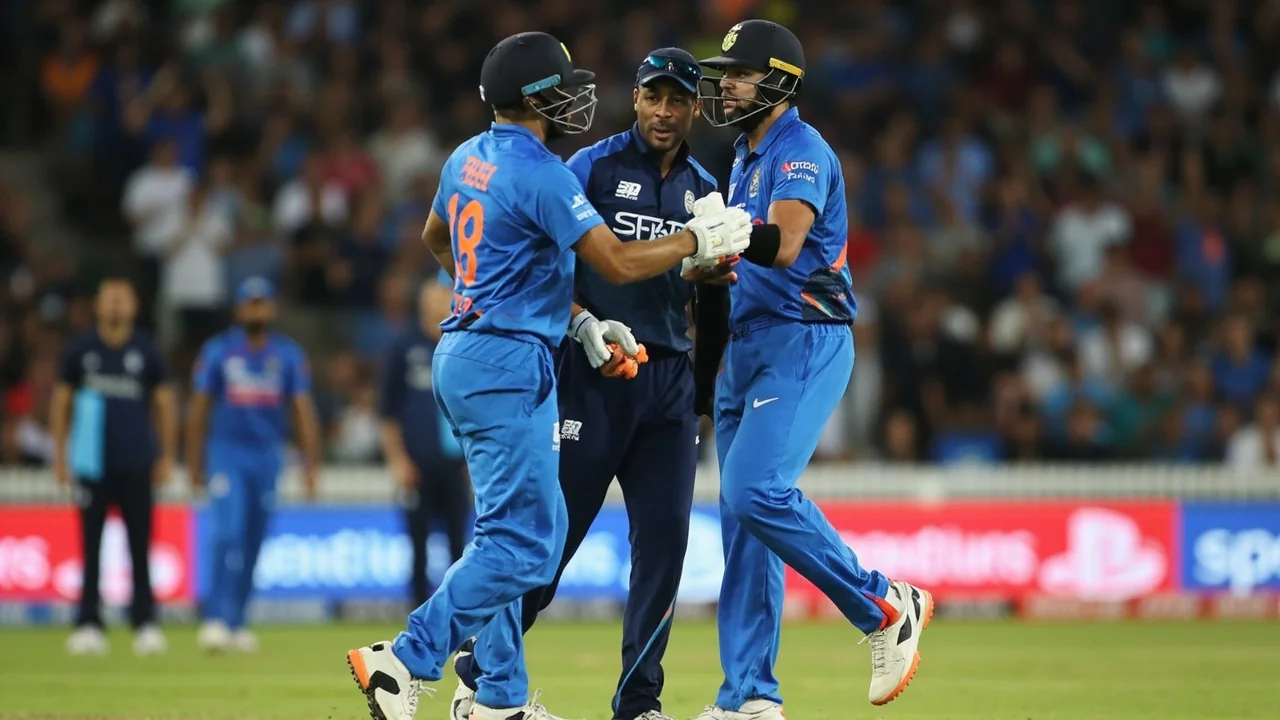
Matchup windows worth pricing into your lineup
Three matchup windows shaped the team-building logic more than any single player stat. The first was the England pace attack versus India’s middle order. After the Trent Bridge collapse, the most common fantasy question was whether Archer and Tongue would again run through the same batting group on a flatter Bristol surface; the answer was that they would not — the pitch read flatter and the short straight boundaries gave India’s power-hitters a counter — but the wicket-taking upside was still real enough that both Archer and Tongue were non-negotiable picks in the XI. The second was the India spin question. With Bishnoi and Chakaravarthy out of form, the spin quota collapsed to P. Yadav as the only specialist, which forced the all-rounder slot to carry the boundary-clearance load on a surface that does not turn from over one.
The third window was the Suryavanshi differential. Across the IPL 2026 phase, Suryavanshi’s strike rate in the powerplay sat above 165 against pace, which is the kind of number that justifies a vice-captain pick on a flat deck even when the public ownership reads below 20%. The risk is that he bats too low in the order on a day when India lose early wickets; the upside is that a single powerplay passage — 35-40 runs off 18-22 balls — locks in a contest-winning fantasy return regardless of how the rest of the innings reads.
What fantasy users should carry into the next India-England fixture
The fourth T20I read is useful less for its individual lineups and more for the three structural lessons it leaves behind. First, the chasing split at Bristol is now a genuine pattern, not a noise reading — fantasy users building for English T20 venues in the second half of the summer should weight the captain pick toward the second-innings side and use the first-innings side as the differential slot. Second, the out-of-form flag on specialist spinners is the most reliable ownership-adjusted signal in international T20: when two wrist-spinners go at above economy 9.5 across three matches, the captain-pick rotation away from that credit band is rarely wrong. Third, the toss-and-chase frame changes the captain-pick math more than it changes the vice-captain-pick math — the vice-captain slot remains a differential play even on a flat deck, and the discipline of picking a below-30%-owned differential there is what separates top-1% fantasy finishes from top-20% finishes.
For the next fixture on the calendar — the fifth T20I at a venue still to be confirmed — the carry-forward logic is straightforward: anchor the captain pick to the second-innings side, hold the vice-captain slot for a below-30%-owned differential, and watch the toss call before locking the XI. The matchup-window discipline that worked at Trent Bridge and Bristol does not change because the venue changes; what changes is the surface, the boundary geometry, and the dew factor, all of which the team builder prices once the toss is read.
Source note and editorial discipline
The factual record above is drawn from Sportsdunia’s contest-ready Dream11 preview of the 4th T20I, published on 8 July 2026 (modified 9 July 2026, 16:11 UTC) by Meet Sharma, and indexed by Google News on the same day. The original carries a Sportsdunia fantasy-cricket disclaimer that the suggested XI is based on analysis, calculated odds and past experience, not on insider information. Cricketers has rewritten the read independently — venue framing, captain-pick logic, differential math, and the matchup-window structure are all Cricketers editorial work — and has retained only the verified factual record: the Bristol venue, the toss call, the recommended XI, the Trent Bridge scoreline, and the named player performances. Fantasy lineups built off this read should still be cross-checked against the actual playing XIs announced at the toss, since the recommended XI assumes both named wrist-spinners sit out and the in-form XI is not rotated before the match.